What Are Peptides? Medical Uses, Research and Safety Considerations
Peptides are short chains of amino acids, the building blocks of proteins. They occur naturally in the human body and help regulate a wide range of biological processes, including hormone signaling, metabolism, immune function, tissue repair, and communication between cells.
In medicine, certain peptides are used as active ingredients in approved prescription drugs. Others are being investigated for potential applications in metabolic health, hormone disorders, inflammation, and other conditions. However, not all products marketed as peptides are approved medicines, and evidence of safety and effectiveness varies considerably between compounds.


7
1. How Do Peptides Work?
Peptides are made from amino acids connected by chemical bonds called peptide bonds. Some act as hormones, some serve as signaling molecules, and others influence the activity of cells, receptors, or enzymes.
Their effects depend on their specific amino acid sequence, structure, and interaction with the body.
Examples of naturally occurring peptides include:
- Insulin: A peptide hormone that helps regulate blood glucose.
- Glucagon: A hormone that helps increase blood glucose when necessary.
- Oxytocin: A hormone involved in childbirth, milk release, and aspects of social behavior.
- GLP-1: A hormone involved in blood glucose regulation, appetite, and digestion.
Not all peptides have the same purpose. Some are naturally produced by the body, some are manufactured for prescription medicines, and others are experimental compounds that have not established clinical safety or effectiveness.
2. What Are Peptides Used For in Medicine?
Peptide-based medicines have several established medical applications. The exact indication depends on the individual medicine and its regulatory approval.

Diabetes management
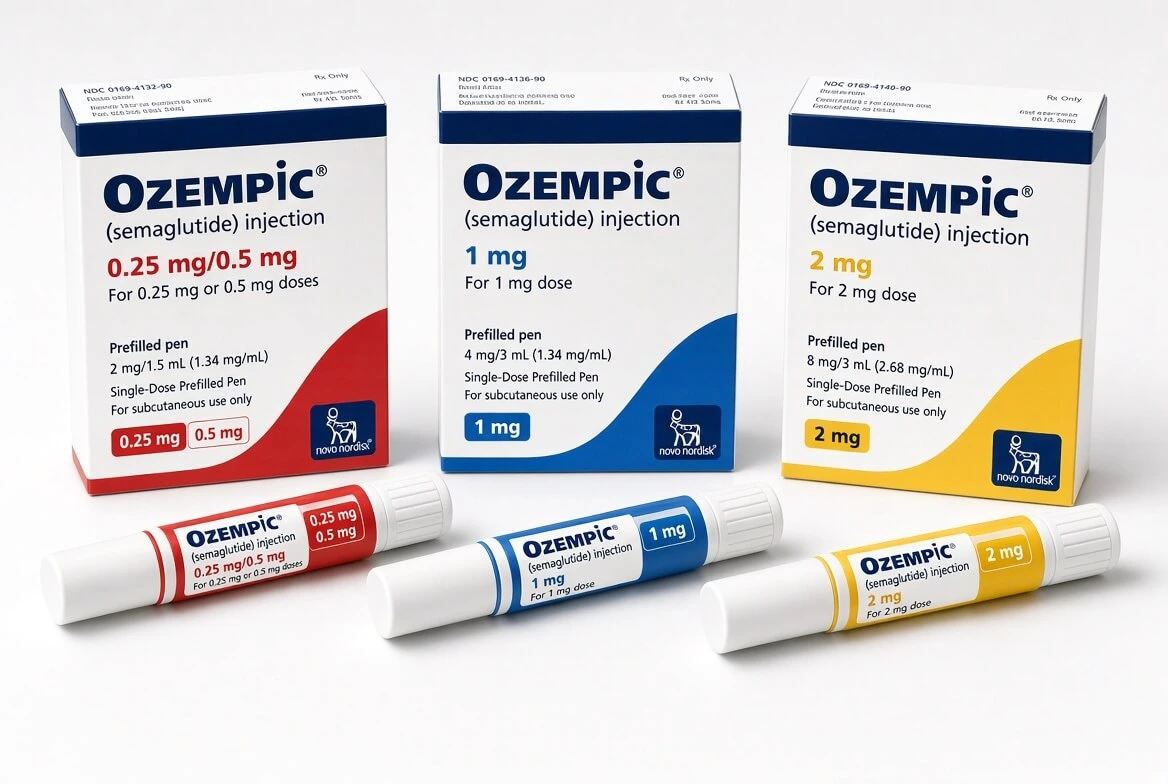
Insulin is a peptide hormone used to treat diabetes. GLP-1 receptor agonists, such as semaglutide, are peptide-based medicines used for specific metabolic conditions, including type 2 diabetes and, for certain products, chronic weight management.

Hormonal and endocrine conditions
Certain peptide medicines are used in the management of specific hormone-related disorders. Their effects depend on the hormone pathway they target and the patient’s diagnosis.

Cancer diagnosis and treatment
Certain peptides are used in targeted imaging and specialized treatments. Researchers are also investigating peptide-based approaches to deliver medicines to specific cells.

Other therapeutic applications
Peptide-based drugs are also used or investigated in areas such as rare diseases, immune-related conditions, and disorders affecting the digestive system.
These examples illustrate the diversity of peptide medicines. An approved use for one peptide does not establish that another peptide is safe or effective for the same purpose.
3. Peptides Used in Medicine vs. Experimental Peptides
One of the most important distinctions is whether a peptide is an approved medicine or an experimental compound.
| Peptide or medicine | Main application or research area | Important distinction |
|---|---|---|
| Insulin | Diabetes treatment | Established medical use |
| Semaglutide | Type 2 diabetes and weight management for certain approved products | Approved indications vary by product |
| Tesamorelin | HIV-associated excess abdominal fat in eligible patients in the US | Approved for a specific indication |
| BPC-157 | Investigated for tissue repair | Not an established approved treatment for injury recovery |
| TB-500 | Marketed for tissue repair and recovery | Human evidence and regulatory status are limited |
| CJC-1295 | Investigated for effects on growth hormone signaling | Not an established treatment for bodybuilding or anti-aging |
Research into peptide therapeutics continues, but promising laboratory or animal findings do not establish that a product is safe and effective in humans.
PubMed
+2
4. Potential Benefits of Peptides
The benefits depend on the individual compound and its intended medical use.
Potential benefits of certain approved peptide medicines include:
- Better blood glucose control in people with diabetes.
- Improved management of weight in eligible patients using approved treatments.
- Treatment of specific hormone-related disorders.
- Targeted approaches to diagnosing or treating certain diseases.
- New therapeutic possibilities under investigation in cancer, inflammation, and other areas.
Claims that peptides generally accelerate muscle growth, heal injuries, reverse aging, or improve skin quality should be evaluated individually. These effects cannot be assumed for every peptide, and many popular claims are not supported by strong human clinical evidence.
PMC
+1
5. What Are the Risks and Side Effects of Peptides?
Peptides are not inherently safe simply because they are made from amino acids. Potential risks depend on the molecule, dose, route of administration, product quality, and the patient’s health.
Medication-specific side effects
Approved peptide medicines can cause adverse effects ranging from gastrointestinal symptoms to changes in blood glucose or other hormone-related effects.
Uncertain safety of experimental compounds
Some unapproved peptides lack adequate human studies to establish safe doses, long-term effects, interactions, or the likelihood of serious complications.
Contamination and product quality
Products from unverified online sellers may have incorrect concentrations, impurities, contamination, or inaccurate labels. Injectable products can introduce additional risks.
Interactions and inappropriate use
Peptides may interact with medicines or affect hormone and metabolic pathways. Medical supervision is important when using a prescribed peptide medicine.
The US Food and Drug Administration has specifically raised concerns about unapproved GLP-1 products and certain compounded preparations, including quality and dosing problems. Compounded medicines are not FDA-approved, and their safety and effectiveness are not reviewed in the same way as approved drugs.
FDA
+1
6. How Are Peptide Medicines Administered?
Depending on the compound and formulation, peptide medicines may be administered by:
- Subcutaneous injection: Into the tissue beneath the skin.
- Intravenous injection or infusion: Used for selected medicines in clinical settings.
- Oral administration: Possible for certain specially formulated peptides.
- Other routes: Some products are designed for specific delivery methods, depending on their approved formulation.
Peptides can be broken down by digestive enzymes or have difficulty crossing biological membranes, so their delivery method matters. A formulation developed for one route should not be assumed safe or effective by another route.
PMC
+1
7. How to Evaluate a Peptide Product Before Use
If you are considering a peptide medicine, check the following:
- Regulatory approval: Confirm that the specific product is approved for the intended use in your country.
- Clinical evidence: Look for well-designed human studies, not just testimonials or animal experiments.
- Manufacturer credentials: Obtain medicines from licensed pharmacies and authorized suppliers.
- Medical assessment: Ask a qualified healthcare professional whether the product is appropriate for your condition.
- Monitoring requirements: Understand potential adverse effects, drug interactions, and follow-up tests.
A product labeled “research use only” should not be treated as a medicine for human use.
8. Frequently Asked Questions About Peptides
Are peptides steroids?
No. Peptides are chains of amino acids, while anabolic steroids are a different class of compounds related to steroid hormones. Both may affect biological processes, but they have different chemical structures and mechanisms.
Are all peptides prescription medicines?
No. Some peptides are prescription medicines, some occur naturally in the body, and others are sold in cosmetic or research settings. Their legal status and permitted uses vary.
Can peptides help build muscle?
Some peptide-related pathways influence growth hormone signaling or tissue metabolism. However, the effectiveness and safety of many products marketed for muscle growth have not been established in high-quality human studies.
Are peptide injections safe?
Approved peptide injections can be appropriate when prescribed for a specific medical indication and used under medical supervision. Unapproved products carry additional risks involving purity, dosage, contamination, and uncertain biological effects.
Are peptides the same as proteins?
They are related but not identical. Both consist of amino acids, but peptides are generally shorter chains, while proteins are typically larger and may fold into more complex structures.
Conclusion
Peptides are an important and expanding area of modern medicine. Established peptide medicines already help treat conditions such as diabetes and certain hormone-related disorders, while research continues into additional therapeutic applications.
However, the word peptide describes a broad class of molecules, not a guarantee of safety or effectiveness. The most reliable approach is to distinguish approved medicines from experimental compounds, assess the evidence for each product, and consult a qualified healthcare professional before use.
References and further reading
- PubMed — Peptide Drugs: Current Status and Applications in the Treatment of Various Diseases
- U.S. Food and Drug Administration — FDA’s Concerns with Unapproved GLP-1 Drugs
- National Institutes of Health — Therapeutic Peptides: Current Applications and Future Directions
Post
- Frequently Asked Questions on Testosterone
- What Are Peptides?
- What Is Human Growth Hormone (HGH)? Uses, Benefits and Risks
- Brand-Name vs. Generic Medicines: What’s the Difference?
- 10 Healthy Tips for People Who Are Overweight
- Weight loss diet plan – Best foods for losing weight
- HGH Peptide Pharma
Page
Product
- Buy Arimidex (Anastrozole) 30 Tablets
- Buy Nolvadex (Tamoxifen Citrate)
- Buy Pregnyl 10,000 IU (hCG Injection)
- Buy Clomid (Clomiphene Citrate)
- Buy AndroDerm Testosterone Patch
- Buy AndroGel Testosterone Gel
- Buy Methyltestosterone 10 mg 100 Tablets
- Buy Fluoxymesterone (Halotestin)
- Buy Oxandrolone Tablets (Anavar)
- Buy Nandrolone Decanoate (Deca-Durabolin)
- Buy Testosterone Undecanoate
- Buy Testosterone Enanthate
- Buy Testosterone Cypionate
- Buy Serostim (Somatropin)
- Buy Nutropin AQ (Somatropin)
- Buy Saizen (Somatropin)
- Buy Zomacton (Somatropin)
- Buy Ngenla HGH (Somatrogon-ghla)
- Buy Skytrofa (Lonapegsomatropin-tcgd)
- Buy Sogroya (Somapacitan-beco)
- Buy Omnitrope (Somatropin)
- Buy Genotropin (Somatropin)
- Buy Norditropin FlexPro (Somatropin)
- Buy Foundayo (Orforglipron)
- Buy Byetta (Exenatide)
- Buy Trulicity (Dulaglutide)
- Buy Victoza (Liraglutide)
- Buy Saxenda (Liraglutide)
- Buy Zepbound (Tirzepatide)
- Buy Mounjaro (Tirzepatide)
- Buy Rybelsus (Semaglutide) Tablets
- Buy Wegovy (Semaglutide)
- Buy Ozempic (Semaglutide)