
Description
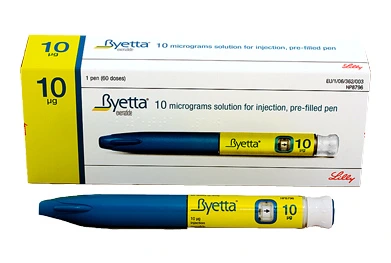
Byetta (Exenatide) Injection – Prescription Treatment for Type 2 Diabetes
Byetta® (exenatide) is a prescription injectable medication used alongside diet and exercise to improve blood sugar control in adults with type 2 diabetes. It belongs to a class of medicines known as glucagon-like peptide-1 (GLP-1) receptor agonists, which help the body regulate blood glucose levels.
Byetta works by stimulating insulin release when blood sugar is elevated, reducing glucagon secretion, and slowing stomach emptying. Unlike once-weekly injectable diabetes medicines, Byetta is generally administered twice daily before meals according to the prescribed treatment plan.
Byetta is not indicated for type 1 diabetes, diabetic ketoacidosis, or specifically for weight loss. A qualified healthcare professional should determine whether exenatide is appropriate based on a patient’s medical history, current medications, and treatment goals.
What Is Byetta?
Byetta contains exenatide as its active ingredient. It is supplied in prefilled injection pens designed for subcutaneous administration, meaning the medicine is injected under the skin.
Byetta is used to support blood glucose management as part of a comprehensive diabetes-care plan. Depending on the patient’s needs, a healthcare professional may prescribe it alongside dietary changes, physical activity, and selected oral diabetes medications.
The medication is distinct from Bydureon BCise, another exenatide product formulated for once-weekly administration. These products have different dosing instructions and should not be treated as interchangeable without medical guidance.
How Does Byetta Work?
Byetta activates GLP-1 receptors involved in blood glucose regulation. Its actions include:
- Helping the pancreas release insulin when blood glucose levels are elevated.
- Reducing glucagon secretion under appropriate conditions.
- Slowing gastric emptying, which can affect the rate at which food moves through the stomach.
- Supporting improved blood glucose control when used with diet, exercise, and prescribed diabetes treatment.
Individual responses vary, and treatment requires appropriate monitoring by a healthcare professional.
Possible Side Effects of Byetta
Common side effects may include nausea, vomiting, diarrhea, constipation, indigestion, dizziness, headache, and reduced appetite. Some gastrointestinal effects may improve over time, but persistent or severe symptoms require medical assessment.
Serious risks include pancreatitis, dehydration-related kidney injury, severe gastrointestinal reactions, gallbladder disease, serious allergic reactions, and low blood sugar when Byetta is used with insulin or certain medicines that stimulate insulin release.
Byetta is not recommended for people with severe gastroparesis or severe renal impairment, and it is contraindicated in patients with certain serious hypersensitivity reactions or a history of exenatide-induced immune-mediated thrombocytopenia.
Seek urgent medical attention for severe or persistent abdominal pain, serious allergic symptoms, or other potentially serious reactions.
Who May Be Prescribed Byetta?
Byetta may be prescribed to adults with type 2 diabetes who need additional blood glucose control alongside diet and exercise. A healthcare professional should review the patient’s medical history, kidney function, other medications, and treatment goals before prescribing it.
Byetta is not a substitute for insulin in type 1 diabetes and should not be used to treat diabetic ketoacidosis. Patients should tell their healthcare professional about all medicines they take, including insulin and other diabetes treatments.
Byetta Prescription and Pharmacy Information
Byetta is a prescription medication. Patients should obtain it only from a legitimate, appropriately licensed pharmacy and use it according to professional medical advice.
Before ordering, confirm current product availability, the exact formulation and strength, packaging authenticity, expiry date, storage requirements, and applicable prescription rules. Availability can vary by country and pharmacy, so the listing should reflect verified stock.
Interested in Byetta? Consult a qualified healthcare professional to determine whether exenatide is suitable for your diabetes treatment plan. Contact a licensed pharmacy to verify availability and prescription requirements before ordering.
Potential Benefits of Byetta
When prescribed for an appropriate patient, Byetta may help:
- Improve blood glucose control in adults with type 2 diabetes.
- Support an individualized diabetes-management plan.
- Reduce post-meal blood glucose excursions through its effects on insulin secretion and gastric emptying.
- Complement nutrition, physical activity, and other prescribed diabetes treatments.
Some patients may experience changes in appetite or body weight. However, Byetta is not specifically approved as a weight-management medication, and weight loss is not guaranteed.
Byetta Dosage and Administration
Byetta is administered by subcutaneous injection within 60 minutes before the morning and evening meals, or before two main meals of the day that are approximately six hours or more apart.
The U.S. prescribing information generally recommends starting at 5 micrograms twice daily. A healthcare professional may increase the dose to 10 micrograms twice daily after one month, depending on clinical response and tolerability.
Byetta should not be injected after a meal. Patients should follow their prescription and the official instructions supplied with the product. Never share a Byetta pen with another person, even if the needle is changed.
Frequently Asked Questions About Byetta
What is Byetta used for?
Byetta is used with diet and exercise to improve blood glucose control in adults with type 2 diabetes.
What is the active ingredient in Byetta?
The active ingredient is exenatide, a GLP-1 receptor agonist.
How often is Byetta injected?
Byetta is generally administered twice daily before two main meals, following the prescribed dosing instructions.
What strengths does Byetta come in?
The U.S. product labeling describes 5-microgram and 10-microgram doses in prefilled pens. Check the exact product packaging and current local availability before listing a specific strength.
Is Byetta the same as Bydureon?
No. Both contain exenatide, but Bydureon is a different, extended-release formulation intended for once-weekly administration. Their instructions differ, and patients should not switch between them without professional guidance.
Is Byetta approved for weight loss?
No. Byetta is indicated for blood glucose control in adults with type 2 diabetes, not specifically for chronic weight management.
Reviews
There are no reviews yet.