
Description
Buy Mounjaro (Tirzepatide) Injection – Uses, Benefits, Side Effects and Prescription Information
What Is Mounjaro?
Mounjaro® (tirzepatide) is a prescription medication developed by Eli Lilly and Company. It is administered by subcutaneous injection and works on two hormone receptors involved in blood sugar regulation and appetite control: glucose-dependent insulinotropic polypeptide (GIP) and glucagon-like peptide-1 (GLP-1).
Mounjaro is used to help manage type 2 diabetes in eligible patients alongside diet and exercise. Depending on the country and approved product labeling, tirzepatide may also be prescribed for weight management under a separate indication or brand.
Mounjaro should be used only under the guidance of a qualified healthcare professional who can assess the patient’s medical history, treatment needs, and potential risks.
How Does Mounjaro Work?
Mounjaro contains tirzepatide, a dual GIP and GLP-1 receptor agonist. These receptors are involved in the body’s regulation of blood glucose, insulin secretion, appetite, and food intake.
Tirzepatide helps the body release insulin when blood glucose levels are elevated, reduces glucagon secretion in a glucose-dependent manner, and slows gastric emptying. Its effects on appetite and food intake may also contribute to weight reduction in some patients.
The medication is intended to complement an appropriate treatment plan rather than replace medical supervision, a balanced diet, or recommended physical activity.
What Is Mounjaro Used For?
Approved uses depend on the country and product label.
In the United States, Mounjaro is indicated to:
- Improve blood glucose control in adults and eligible pediatric patients aged 10 years and older with type 2 diabetes, alongside diet and exercise.
- Reduce the risk of major adverse cardiovascular events in eligible adults with type 2 diabetes who are at high cardiovascular risk, under the updated U.S. prescribing information.
In some other markets, tirzepatide is also authorized for weight management in eligible adults who meet specified medical criteria. The exact indication and prescribing requirements should be verified against the applicable local product information.
Mounjaro Dosage and Available Strengths
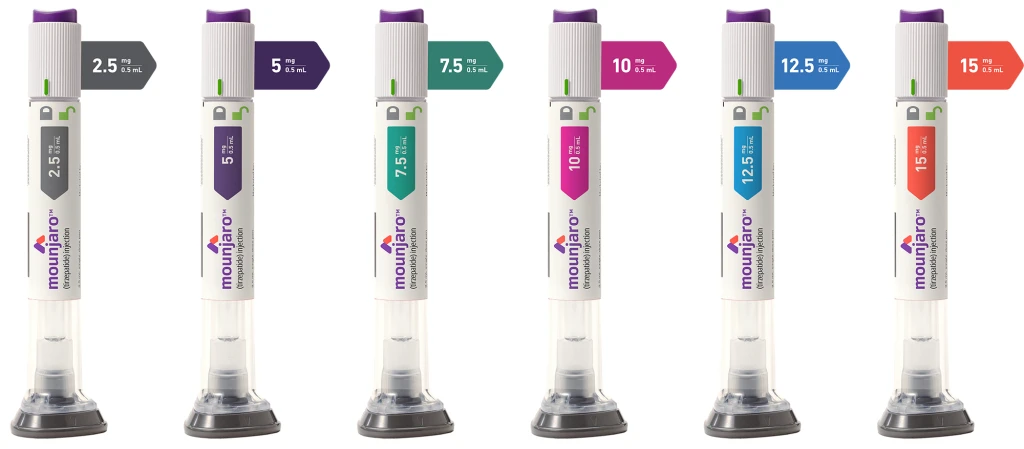
Mounjaro is supplied in injectable formulations with different strengths, depending on the market and presentation. U.S. prescribing information includes 2.5 mg, 5 mg, 7.5 mg, 10 mg, 12.5 mg, and 15 mg doses.
The U.S. recommended starting dose is 2.5 mg once weekly. If additional blood glucose control is needed, a prescriber may increase the dose in 2.5 mg increments after at least four weeks on the current dose, following the prescribing instructions.
The starting dose, dose escalation, and maintenance dose should be determined by the prescribing healthcare professional. Patients should not increase the dose independently or combine Mounjaro with another tirzepatide product.
Product strengths, packaging, and approved dosing instructions may differ across markets.
Possible Side Effects of Mounjaro
Common side effects include nausea, diarrhea, decreased appetite, vomiting, constipation, indigestion, and abdominal pain. Gastrointestinal symptoms may be more noticeable when treatment starts or when the dose increases.
Important potential risks include:
- Thyroid C-cell tumors observed in animal studies; the relevance to humans is unknown.
- Pancreatitis.
- Gallbladder problems, including gallstones or inflammation.
- Dehydration that may contribute to kidney injury.
- Severe gastrointestinal reactions.
- Low blood glucose, particularly when used with insulin or certain other diabetes medicines.
- Serious allergic reactions.
- Possible worsening of diabetic retinopathy in susceptible patients.
Under U.S. prescribing information, Mounjaro is contraindicated in people with a personal or family history of medullary thyroid carcinoma or multiple endocrine neoplasia syndrome type 2 (MEN 2), and in people with a prior serious hypersensitivity reaction to tirzepatide or its ingredients.
Patients should inform their healthcare professional about other medications, existing health conditions, pregnancy plans, and upcoming procedures involving anesthesia or deep sedation.
Seek urgent medical attention for severe or persistent abdominal pain, signs of a serious allergic reaction, or other potentially serious symptoms.
Potential Benefits of Mounjaro
When prescribed appropriately, Mounjaro may provide several benefits:
Blood glucose management: Helps improve glycemic control in people with type 2 diabetes.
Dual hormone-receptor activity: Acts on both GIP and GLP-1 receptors involved in metabolic regulation.
Potential weight reduction: Tirzepatide can reduce appetite and food intake, and weight reduction may occur during treatment. Whether Mounjaro is approved specifically for weight management depends on the country and product indication.
Cardiovascular risk reduction: Updated U.S. labeling includes a cardiovascular risk-reduction indication for eligible adults with type 2 diabetes at high risk of cardiovascular events.
Weekly administration: The injectable formulation is generally administered once weekly, according to the prescribed treatment plan.
Individual results vary, and treatment benefits must be weighed against possible side effects and contraindications.
How Is Mounjaro Administered?
Mounjaro is administered as a subcutaneous injection, usually once weekly. Patients should follow the instructions supplied with their specific pen or other authorized presentation.
The medication should be stored and handled according to its product labeling. Injection devices must never be shared between patients, even if the needle is changed.
A pharmacist or healthcare professional can provide guidance on injection technique, missed doses, storage, and safe disposal of used needles and devices.
Mounjaro and Weight Management
Tirzepatide can support weight reduction by affecting appetite and food intake. However, the brand name and approved indication matter when discussing treatment options.
In the United States, Mounjaro is the tirzepatide brand indicated for type 2 diabetes, while Zepbound is the brand authorized for certain chronic weight-management indications. In other countries, Mounjaro may have an approved weight-management indication.
Patients seeking treatment for obesity or excess weight should consult a qualified healthcare professional to determine which authorized product is appropriate for their circumstances.
Mounjaro Prescription and Pharmacy Information
Mounjaro is a prescription medicine. Patients should obtain it from an authorized healthcare provider and a legitimate pharmacy that complies with applicable licensing and dispensing requirements.
A suitable treatment plan includes an assessment of the patient’s medical history, review of other medications, discussion of potential risks, and appropriate follow-up.
Product availability, authorized indications, prices, and dispensing requirements vary by country. Patients should verify that the product is genuine, properly stored, and dispensed according to local regulations.
Frequently Asked Questions About Mounjaro
What is Mounjaro used for?
In the United States, Mounjaro is indicated for improving blood glucose control in eligible people with type 2 diabetes. Updated U.S. labeling also includes reducing certain cardiovascular risks in eligible adults with type 2 diabetes. Additional indications may apply in other countries.
What is the active ingredient in Mounjaro?
The active ingredient is tirzepatide, a dual GIP and GLP-1 receptor agonist.
Can Mounjaro help with weight loss?
Weight reduction can occur during tirzepatide treatment. Approval specifically for weight management depends on the brand, country, and applicable product label.
How often is Mounjaro taken?
The injectable formulation is generally administered once weekly according to the prescribed regimen.
What strengths are available?
U.S. injectable presentations include strengths from 2.5 mg to 15 mg. Availability and packaging may differ in other markets.
Does Mounjaro require a prescription?
Yes. Mounjaro is a prescription medication in the United States. Patients should follow the relevant prescription and dispensing requirements in their location.
Is Mounjaro the same as Ozempic or Wegovy?
No. Mounjaro contains tirzepatide, which acts on GIP and GLP-1 receptors. Ozempic and Wegovy contain semaglutide, which acts on GLP-1 receptors. Their approved uses, dosing instructions, and product presentations differ.
Important Safety Information
Mounjaro is not suitable for everyone. Patients should review the official prescribing information and consult a qualified healthcare professional before starting treatment. Treatment decisions should account for contraindications, possible side effects, other medications, and individual health needs.

Reviews
There are no reviews yet.