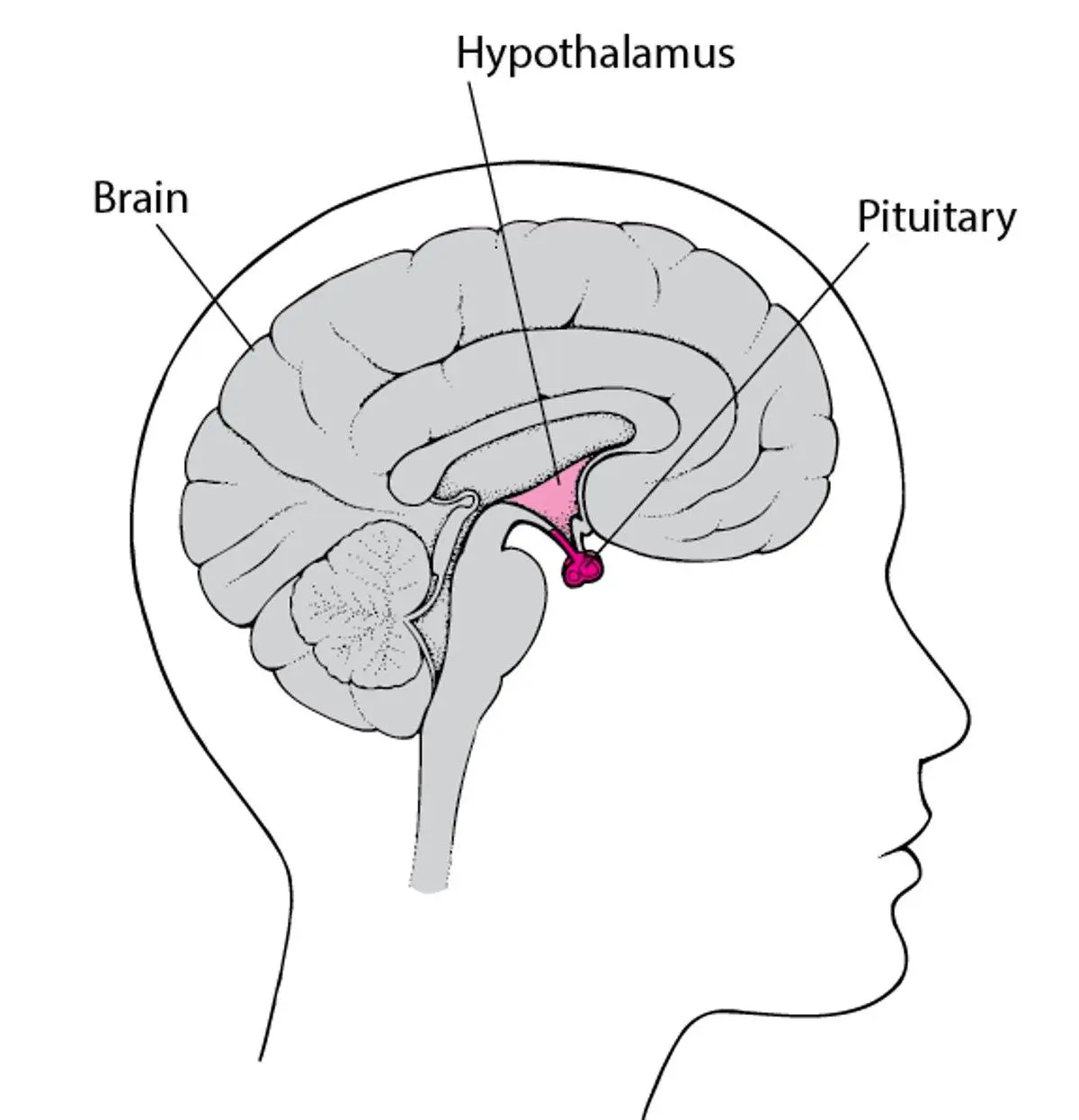
Human growth hormone (HGH), also known as somatropin when referring to the manufactured form of the hormone, is a protein hormone produced naturally by the pituitary gland at the base of the brain. It plays an important role in childhood growth, tissue development, metabolism, and the maintenance of healthy body composition.
Synthetic HGH is used in medicine to treat certain growth disorders and hormone deficiencies. Although it is sometimes promoted for bodybuilding, anti-aging, and athletic performance, these uses are not equivalent to its approved medical applications and may carry significant health risks.

1. How Does Human Growth Hormone Work?
The pituitary gland releases HGH in pulses, particularly during deep sleep. The hormone acts directly on tissues and stimulates the production of insulin-like growth factor 1 (IGF-1), mainly in the liver.
Together, HGH and IGF-1 help regulate several biological processes:
- Bone growth: Supports linear growth in children and adolescents before growth plates close.
- Muscle and tissue development: Helps regulate protein metabolism and tissue growth.
- Fat metabolism: Promotes the breakdown of stored fat for energy.
- Metabolic function: Influences how the body uses fats, proteins, and carbohydrates.
- Normal development: Contributes to healthy growth and body composition.
HGH production naturally changes with age, sleep patterns, nutrition, and other physiological factors. However, a decline in HGH levels with age does not automatically mean a person has a hormone deficiency that requires treatment.
2. What Is HGH Used For?
Prescription HGH is used for specific medical conditions, with approved indications varying by product and country. Common applications include the following.
MedlinePlus
+1

Growth hormone deficiency in children
HGH replaces insufficient natural hormone and can help children achieve improved growth when treatment is medically indicated. Early diagnosis can improve the growth response.

Growth hormone deficiency in adults
Treatment may improve body composition, bone health, exercise capacity, and quality of life in appropriately diagnosed adults.

Certain growth-related disorders
Depending on the product and local approval, HGH may be prescribed for conditions such as growth failure associated with Turner syndrome, Prader-Willi syndrome, or other specified disorders.

Certain conditions in adults
Some somatropin products have approved uses for short bowel syndrome or for increasing body weight in selected adults with HIV-associated wasting.
The exact indication depends on the medicine, the patient’s diagnosis, and the applicable prescribing information.
3. Potential Benefits of HGH
When prescribed for an appropriate medical condition, HGH may provide several benefits.
- Improved height growth: In children with certain growth disorders, treatment can increase growth velocity.
- Increased lean body mass: Adults with confirmed growth hormone deficiency may experience improvements in body composition.
- Reduced excess body fat: HGH can influence fat metabolism, although this does not make it a recommended general weight-loss drug.
- Support for bone health: Treatment of confirmed deficiency may help improve bone mineral density over time.
- Improved quality of life: Some adults with documented deficiency experience improvements in energy, physical function, or well-being.
These benefits are not guaranteed, and results depend on the underlying condition, age, treatment duration, and individual response.
Endocrine Society
+1
Does HGH build muscle or improve athletic performance?
HGH is frequently discussed in bodybuilding and fitness communities because it can influence lean body mass and fat metabolism. However, increases in lean body mass do not necessarily translate into greater strength or better athletic performance. Evidence of meaningful performance benefits in healthy adults is limited, and using HGH without a medical indication exposes users to avoidable risks.
Endocrine Society
+1
Can HGH reverse aging?
There is no convincing evidence that HGH is a safe, proven anti-aging treatment for otherwise healthy adults. Changes in body composition do not establish that it extends life or reverses the aging process. Its potential adverse effects make unsupervised use particularly concerning.
4. What Are the Risks and Side Effects of HGH?
HGH is a potent hormone, and treatment requires appropriate medical supervision. Possible adverse effects include:
MedlinePlus
+1
| Side effect | What to know |
|---|---|
| Joint and muscle pain | Discomfort or stiffness may occur during treatment. |
| Swelling | Fluid retention can cause swelling in the hands, feet, or ankles. |
| Insulin resistance | HGH can raise blood glucose and may increase the risk of diabetes. |
| Carpal tunnel symptoms | Numbness, tingling, or pain may develop in the hands. |
| Headaches or vision changes | Severe or persistent symptoms require prompt medical assessment. |
| Hip or knee problems in children | New limping or persistent hip or knee pain needs urgent evaluation. |
Excessive or prolonged exposure can cause abnormal tissue growth and features associated with acromegaly. HGH also requires particular caution in people with certain active cancers, critical illnesses, or other contraindications specified in the product labeling.
Seek urgent medical advice for severe headaches with vision changes, significant breathing difficulties, or severe persistent abdominal pain while receiving treatment.
5. Who Should Avoid HGH or Use It With Particular Caution?
HGH is not suitable for everyone. Depending on the product, it may be contraindicated in people with active malignancy, certain severe diabetic eye conditions, acute critical illness, or serious allergies to the medication or its ingredients.
DailyMed
+1
People with diabetes, a history of tumors, or pituitary and thyroid disorders may require additional evaluation and monitoring.
HGH should not be used without a prescription and an appropriate medical assessment.
6. How Is HGH Deficiency Diagnosed?
A healthcare professional may consider a patient’s symptoms, medical history, growth patterns, and pituitary function.
Diagnostic evaluation may include:
- IGF-1 blood testing: Helps assess growth hormone activity.
- Growth hormone stimulation testing: Measures whether the body can produce an adequate hormone response when stimulated.
- Additional investigations: Depending on the situation, thyroid tests, assessment of other pituitary hormones, growth-chart reviews, or imaging may be needed.
A single random HGH blood test is generally insufficient to diagnose deficiency because hormone levels naturally fluctuate throughout the day.
MedlinePlus
+1
7. How Is Prescription HGH Administered?
Manufactured HGH products are commonly given as injections under the skin. Some formulations are administered daily, while certain long-acting products are designed for weekly administration.
The appropriate product, dose, and duration depend on the diagnosis, age, response to treatment, and individual risk factors. Treatment requires medical monitoring, which may include growth measurements, IGF-1 levels, blood glucose, thyroid function, and assessment for adverse effects.
Patients should follow their prescriber’s instructions and the product’s official storage and handling requirements.
8. Frequently Asked Questions About HGH
Does HGH increase height in adults?
Generally, no. Once the growth plates in the long bones have closed, HGH cannot increase adult height. Excess hormone can instead cause abnormal enlargement of tissues and changes in bone structure.
Does HGH help with weight loss?
HGH influences fat metabolism, but it is not an approved general weight-loss treatment. Its potential benefits in specific hormone-deficient patients should not be confused with safe or effective weight management in otherwise healthy people.
Is HGH the same as a peptide supplement?
HGH is a protein hormone made up of amino acids. Some products marketed as growth hormone secretagogues or peptides act on different pathways and are not the same as prescription somatropin. Their safety, quality, and approval status vary.
Can natural HGH levels be supported without medication?
Regular exercise, adequate sleep, balanced nutrition, and maintaining a healthy weight support general health and normal hormone regulation. These measures are not substitutes for prescribed treatment when a genuine deficiency exists.
Conclusion
Human growth hormone is essential for normal growth, tissue development, and metabolism. Prescription HGH can be beneficial for people with certain diagnosed medical conditions, but it is not a risk-free shortcut to greater height, muscle growth, fat loss, or younger-looking skin.
The safest approach is to establish whether treatment is medically indicated, use an approved product, and receive ongoing care from a qualified healthcare professional.
References and further reading
- MedlinePlus — Somatropin Injection: Drug Information
- Endocrine Society — Growth Hormone Deficiency
- U.S. Food and Drug Administration — Import Alert: Unapproved Human Growth Hormone (HGH)
For pharmacy websites: This article can serve as an educational resource for readers researching HGH. To support trustworthy health content and search visibility, include a qualified medical review, a publication or update date, and clear links to official prescribing information. Avoid implying that HGH is appropriate for bodybuilding or anti-aging without a medical indication.